Focus & Productivity · 3 min read
How to Run a Personal Distraction Audit During the Workday
Most people know they get distracted but cannot describe the pattern.
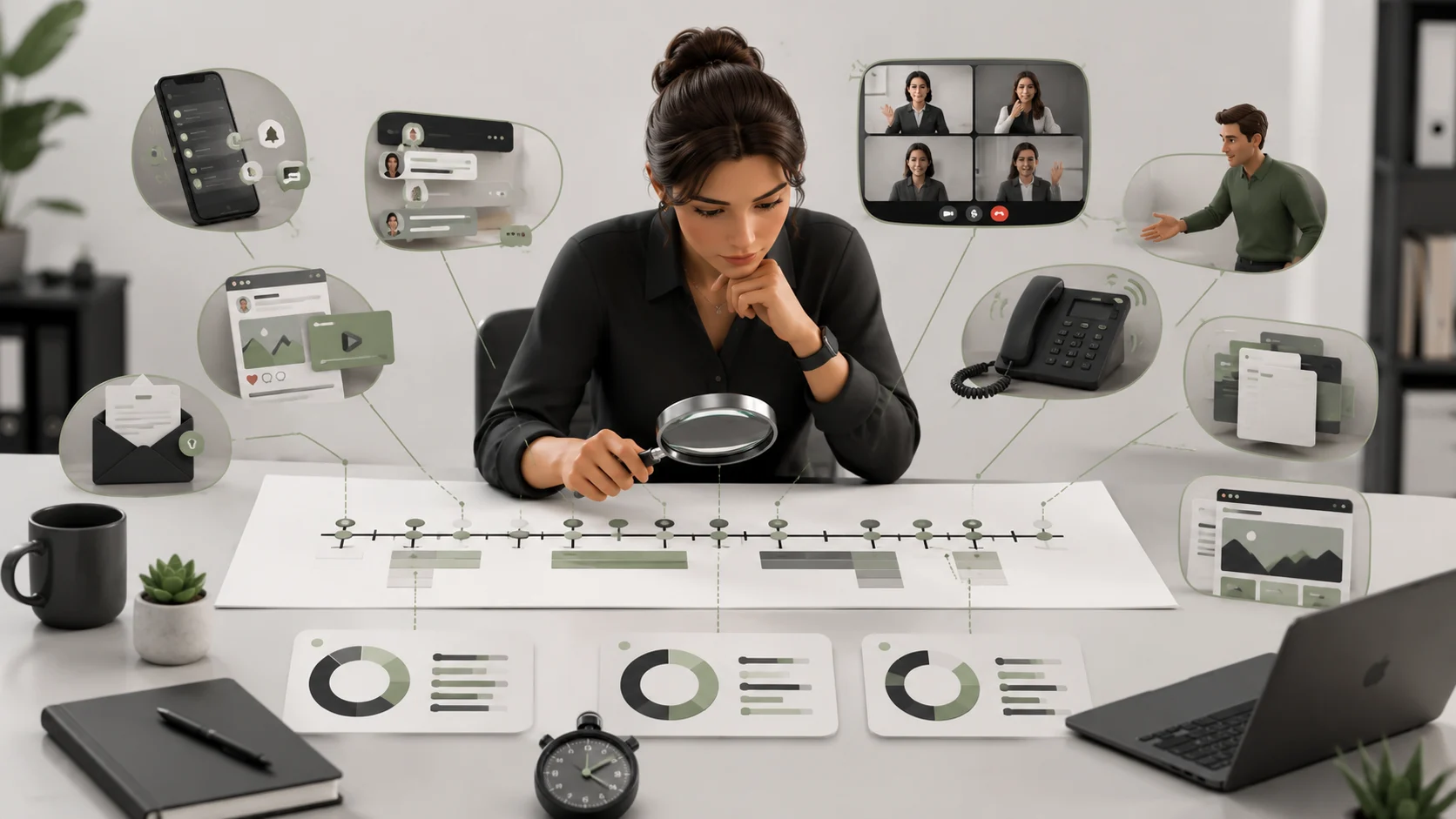
Most people know they get distracted but cannot describe the pattern. Without data, the solution becomes generic: try harder, turn off the phone, or use another productivity app. A distraction audit is a short period of observation that identifies when attention breaks, what triggers the break, how long recovery takes, and which changes would reduce repeated interruption.
Run the audit for three normal workdays. Do not choose unusually quiet days or days dominated by travel. Use a small notebook, spreadsheet, or browser tool. Each time you leave the intended task, record the time, trigger, action taken, approximate duration, and whether the interruption was necessary.
Separate external and internal distractions. External distractions include calls, messages, colleagues, notifications, noise, meetings, and urgent requests. Internal distractions include boredom, worry, hunger, curiosity, fatigue, remembering another task, and the urge to check something. The distinction matters because the controls are different. External interruptions need boundaries or process changes; internal interruptions often need task clarity, a capture list, or an energy adjustment.
Classify each distraction as valuable, avoidable, or system-created. A genuine customer escalation may be valuable. Opening social media automatically may be avoidable. Repeated questions from colleagues may be system-created because information, ownership, or documentation is unclear. This classification prevents the audit from treating every interruption as personal failure.
Record recovery time, not only interruption time. A two-minute message can create ten minutes of reorientation. Research on notification-caused interruptions suggests that reducing these interruptions can support performance and reduce strain. When reviewing the audit, look for triggers that cause disproportionate recovery cost.
At the end of each day, group the entries. Common categories include communication, unclear task, phone, browser, people, environment, energy, and anxiety. Count frequency and estimate total time. Then identify the top two patterns. Do not attempt to fix everything at once.
Design controls that match the trigger. For communication overload, create two or three message- check windows and define what counts as urgent. For phone use, move the device out of reach and disable non-essential notifications. For browser drift, close unrelated tabs and use a separate work profile. For unclear tasks, write the next action before starting. For repeated thoughts, keep a capture page beside the work area.
If colleagues create frequent interruption, use collaborative controls rather than silent frustration. Agree on focus periods, status indicators, office hours, or a shared urgent channel. If the role genuinely requires responsiveness, build shorter focus blocks between expected requests rather than copying a schedule designed for isolated work.
Repeat the audit after one week. Compare frequency, total interruption time, recovery time, and output. The purpose is not to achieve zero distraction. That is unrealistic in most workplaces. The objective is to reduce avoidable switching and protect enough uninterrupted time for meaningful work.
FocusForge can support the audit by logging distractions during timed sessions. Use the data to create a personal attention policy: which notifications stay on, when communication is checked, how long focus sessions run, and what you do when an unrelated thought appears.
A distraction audit becomes actionable when every interruption is classified as external, internal, or structural. External distractions include calls, messages, people, and notifications. Internal distractions include worry, boredom, impulses, and unrelated ideas. Structural distractions arise from unclear priorities, missing information, poor tools, or tasks that are too large. For each category, identify a prevention rule and a recovery rule. Prevention might mean silencing non-essential alerts, clarifying the next deliverable, or keeping a capture note for stray ideas. Recovery might mean writing the next action before responding to an interruption or using a two-minute reset ritual. Measure the time required to return, not only the number of distractions. A small number of high-cost interruptions can damage output more than many brief, predictable ones.
 Back to Insights